Neurodivergent couples: when you keep missing each other
By Emily Chane, LMFT · · Westlake Village and online across California
Many couples arrive convinced they have a communication problem. Often what they have is a translation problem: two people with different processing styles, sensory needs, and emotional pacing, each assuming the other works the same way they do.
Where the mismatch shows up
One partner processes out loud in real time; the other needs hours to know what they think. One reads tone and expression closely; the other takes words at face value. One finds a loud restaurant energizing; the other spends the evening managing the noise and has nothing left afterward.
None of these differences indicate a lack of care. Interpreted as indifference, though, they accumulate into resentment.
The same fight, repeating
Recurring conflict usually reflects a pattern rather than a single disagreement. One partner pursues resolution immediately; the other shuts down to avoid saying something they cannot take back. Each response intensifies the other.
Naming the cycle changes what happens next. Once both people can see it, the conversation shifts from who started it to how to interrupt it.
Repair matters more than avoiding conflict
Every couple ruptures. What distinguishes durable relationships is repair: returning to the moment, acknowledging the impact, and reconnecting. Neurodivergent couples often need explicit repair language, since indirect cues get missed.
What therapy focuses on
We map how each of you processes, communicates, and recovers. We translate between those systems, and we practice concrete repair rather than discussing it in the abstract.
Accommodations frequently form part of the work: written follow-ups after hard conversations, agreed pauses, planned recovery time after social events.
I work with couples in Westlake Village and by telehealth throughout California. Couples sessions are 60 minutes and private pay.
If you are in crisis, call or text 988. This post is general information, not a diagnosis or treatment plan.
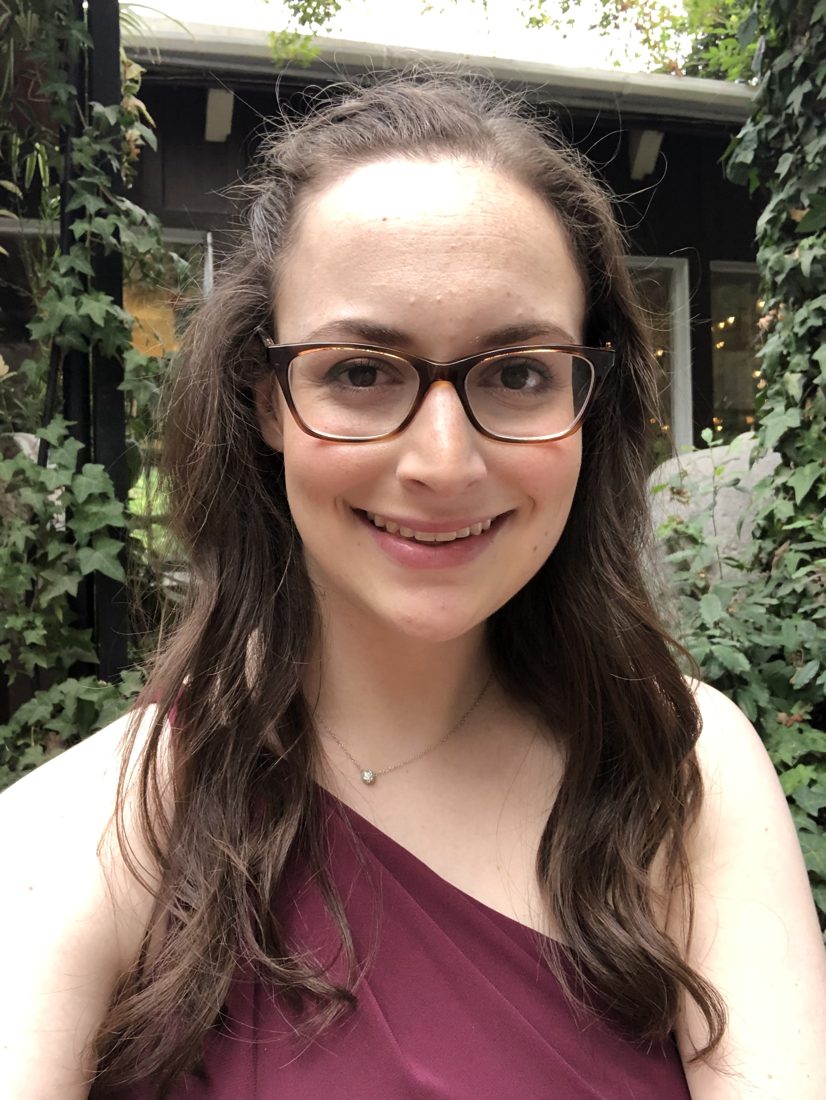
Licensed marriage and family therapist in Westlake Village, California, specializing in neurodivergent-affirming therapy for teens, adults, couples, and families. Trained at Pepperdine University.
More about Emily →Ready to take the first step?
Book a free 15-minute call. We'll talk through what you're looking for and see if we're a fit.