Sensory needs are not preferences
By Emily Chane, LMFT · · Westlake Village and online across California
Sensory needs are frequently treated as preferences, as though noise-canceling headphones or a specific fabric were a matter of taste. For many neurodivergent people, sensory input determines how much capacity remains for everything else.
What sensory differences actually do
Fluorescent lighting, background noise, strong smells, and certain textures require ongoing effort to tolerate. That effort draws from the same resources you need for conversation, concentration, and emotional regulation.
By the time someone reaches the end of an overstimulating day, what looks like irritability or withdrawal is usually depletion.
Why explaining it is difficult
People who do not experience sensory overload tend to hear these needs as complaints or rigidity. Years of that response teach many neurodivergent people to push through and pay for it privately.
Language that tends to work
Frame the need in terms of function rather than feeling. "I concentrate better with headphones on" is easier to hear than "the office is too loud." "I will be more present if we sit outside" gives people a reason to accommodate rather than a problem to solve.
With close relationships, more directness usually helps: describing what a given environment costs you, and what you need afterward.
What therapy focuses on
We identify your specific sensory profile, notice which environments consistently drain you, and plan around them. We also address the guilt that often accompanies asking for accommodations.
The aim is a life built around how your system actually works, rather than one you have to recover from.
I work with neurodivergent teens and adults in Westlake Village and by telehealth throughout California.
If you are in crisis, call or text 988. This post is general information, not a diagnosis or treatment plan.
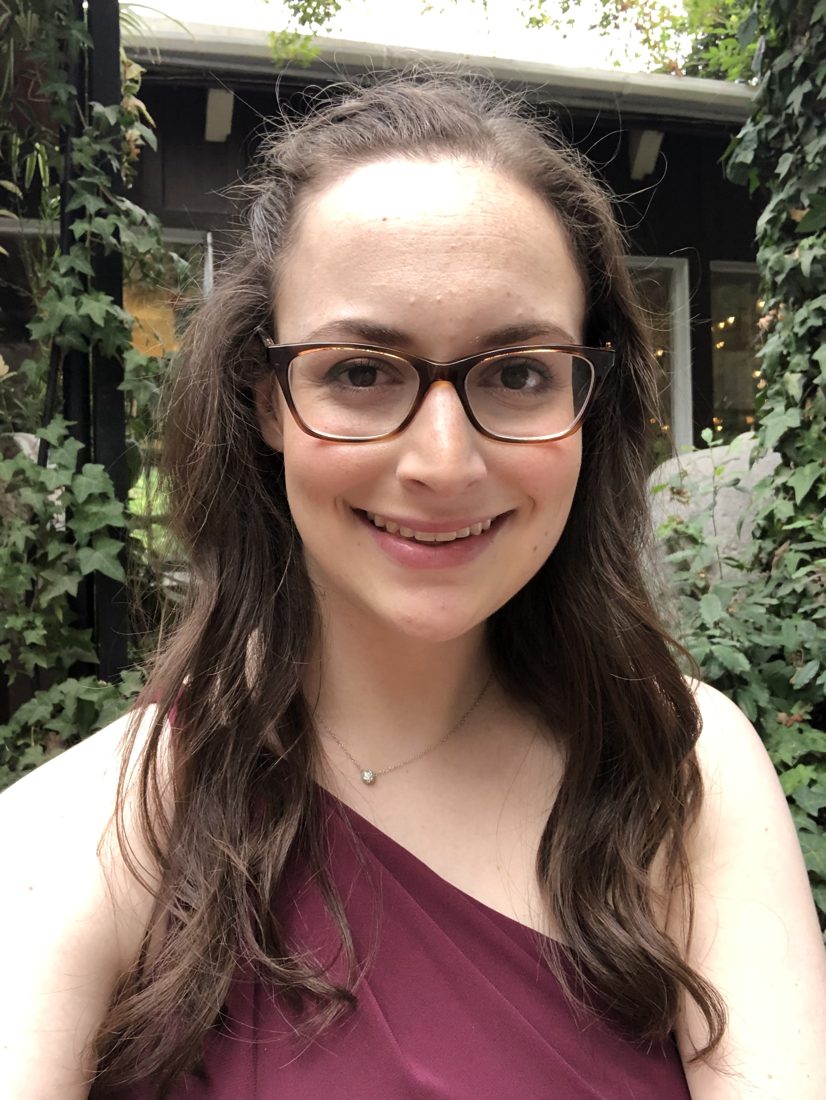
Licensed marriage and family therapist in Westlake Village, California, specializing in neurodivergent-affirming therapy for teens, adults, couples, and families. Trained at Pepperdine University.
More about Emily →Ready to take the first step?
Book a free 15-minute call. We'll talk through what you're looking for and see if we're a fit.