Masking: what it costs and how to start putting it down
By Emily Chane, LMFT · · Westlake Village and online across California
Masking is the work of appearing neurotypical: rehearsing conversations, suppressing stims, monitoring your face and voice, and checking constantly whether you are getting it right. Many neurodivergent people learn it early, and most do not realize how much it costs until they stop.
What masking looks like
It varies. Scripting small talk in advance. Holding eye contact that feels uncomfortable. Laughing on cue. Keeping still when your body wants to move. Hiding confusion rather than asking someone to repeat themselves.
Masking often works, which is part of the problem. Success reinforces the effort, and the exhaustion shows up later.
The cost
Sustained masking contributes to burnout, anxiety, and a persistent sense of being unknown. When people respond to a version of you that took constant effort to produce, their approval provides little reassurance.
Over time, many people lose track of what they actually prefer, since every preference has been filtered through what seems acceptable.
Unmasking is gradual, not a switch
Unmasking works best in stages, and safety determines the pace. A workplace that penalizes difference is not the place to begin. Start where the risk is low: alone, with a trusted friend, or in therapy.
Early steps are often small. Stimming without stopping yourself. Wearing loop earplugs in a loud store. Saying you need a written summary instead of a verbal one. Letting a conversation pause without filling it.
What therapy focuses on
We identify where masking shows up, what it protects you from, and what it takes out of you. Then we work out where you have room to set it down and what support makes that possible.
The goal is not to unmask everywhere. It is to stop masking by default, so the choice belongs to you.
I work with neurodivergent teens and adults in Westlake Village and by telehealth throughout California.
If you are in crisis, call or text 988. This post is general information, not a diagnosis or treatment plan.
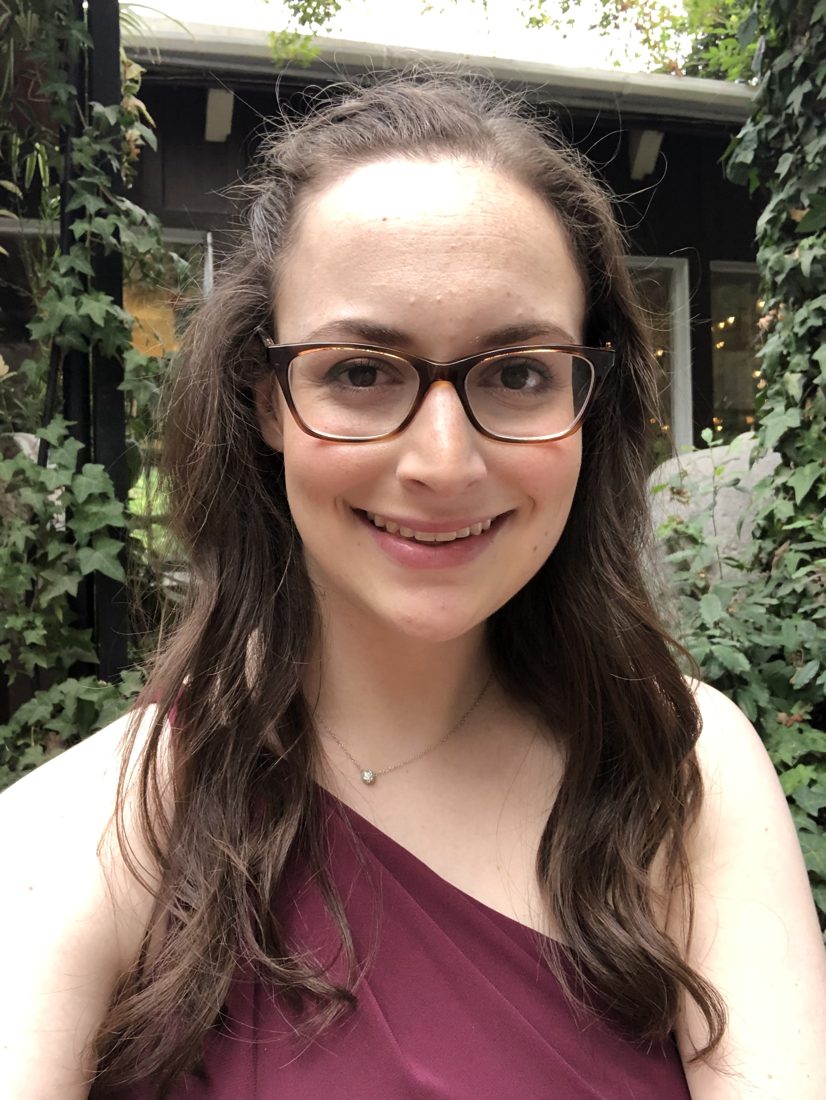
Licensed marriage and family therapist in Westlake Village, California, specializing in neurodivergent-affirming therapy for teens, adults, couples, and families. Trained at Pepperdine University.
More about Emily →Ready to take the first step?
Book a free 15-minute call. We'll talk through what you're looking for and see if we're a fit.