What happens after a late ADHD diagnosis
By Emily Chane, LMFT · · Westlake Village and online across California
An ADHD diagnosis in adulthood rarely lands as simple relief. Most people describe something more complicated: an explanation that finally fits, alongside grief for the years spent without it.
The relief comes first
Having a name for the experience changes how you interpret it. Understanding that difficulty starting tasks, losing track of time, and reacting strongly to perceived rejection are recognized features of ADHD reframes years of self-blame. What you experienced as a character flaw turns out to be a well-documented pattern.
Then the grief arrives
Many people reread their own history after diagnosis. Report cards, failed systems, jobs that ended badly, relationships that wore thin. It is reasonable to feel anger about the support you never received, particularly if you were told you were bright but not applying yourself.
Grief after a late diagnosis is common and often underestimated. It deserves attention rather than a quick pivot to strategies and productivity systems.
Identity takes time to settle
Some people integrate the diagnosis quickly. Others question whether it is real, especially after years of being told they were exaggerating. Doubt does not mean the diagnosis is wrong. It usually reflects how long you spent explaining yourself to people who did not believe you.
What therapy focuses on
Early work often involves making sense of your history through this new lens. From there we look at the coping strategies you built without support, which ones still serve you, and which ones cost more than they return.
We also look at relationships. ADHD affects how you communicate, follow through, and respond to conflict, and the people close to you have been reacting to those patterns for years.
Where to start
You do not need a plan before your first session. Bringing the diagnosis, your reaction to it, and the questions it raised is enough.
I work with late-diagnosed adults in Westlake Village and by telehealth throughout California.
If you are in crisis, call or text 988. This post is general information, not a diagnosis or treatment plan.
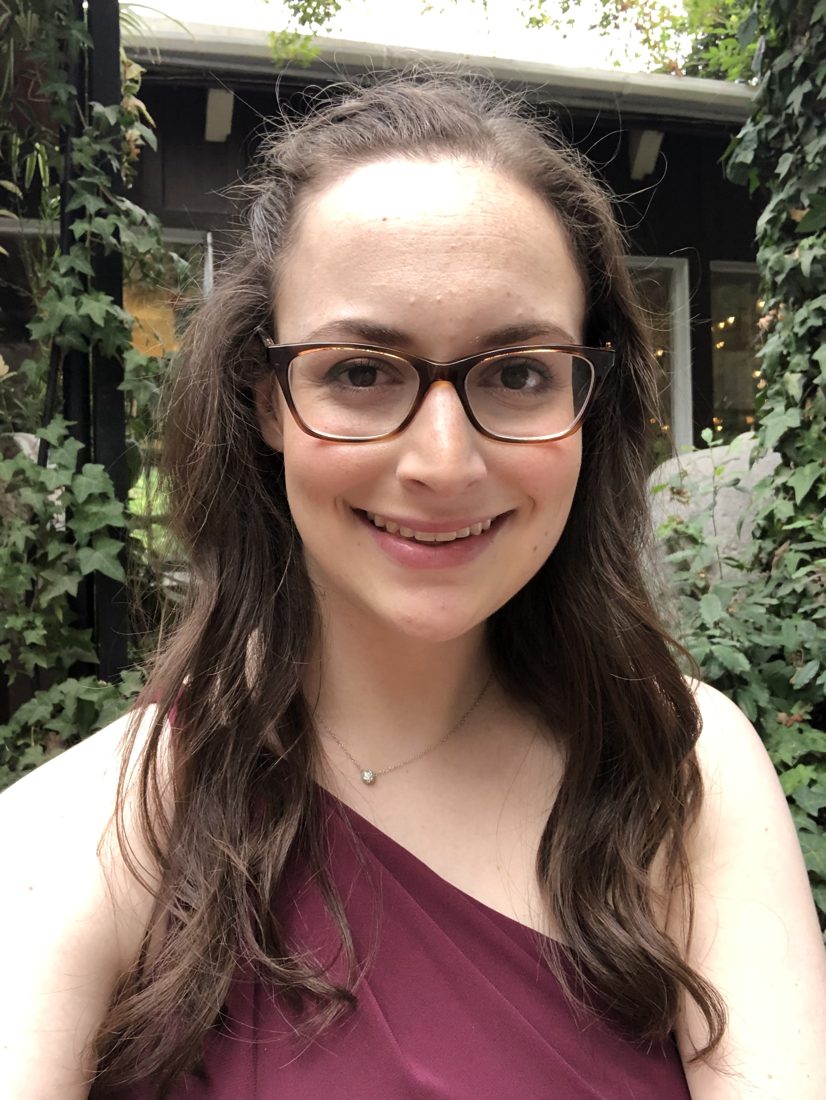
Licensed marriage and family therapist in Westlake Village, California, specializing in neurodivergent-affirming therapy for teens, adults, couples, and families. Trained at Pepperdine University.
More about Emily →Ready to take the first step?
Book a free 15-minute call. We'll talk through what you're looking for and see if we're a fit.